Why Is Xylitol Used in Oral Care?
Xylitol has been studied in oral-care settings because oral bacteria such as S. mutans do not process it in the same way as ordinary fermentable sugars. The supplied review discusses xylitol-containing mints and gums in relation to lower S. mutans counts and potentially reduced plaque adherence.
Ingredient evidence
Xylitol has an established research literature in oral-care contexts.
Form and dose matter
A study on gum or mints cannot automatically be applied to every supplement format.
Product proof is separate
Dentolyn listing xylitol does not prove that the finished product reproduces study outcomes.
From Sugar Exposure to Oral Acidity
The supplied review explains that fermentable carbohydrates such as sugars and starches can favor acid-producing bacteria, including S. mutans. Acid production is relevant to enamel demineralization and cavity development.
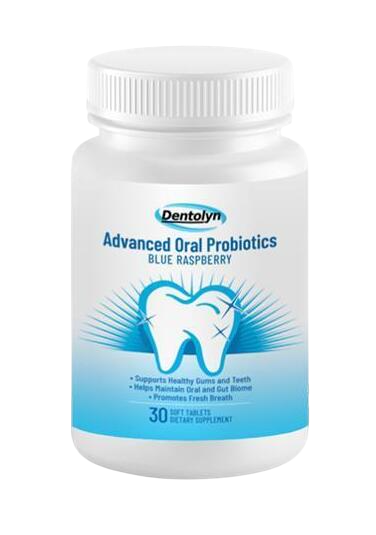
Compare Dentolyn as a Xylitol-Containing Oral-Health Supplement
Check the formula, available dose information, intended use, package value and current buyer-protection terms before deciding whether it fits your goal.
What Does the Supplied Xylitol Research Actually Support?
The supplied 2024 review discusses regular use of xylitol-containing mints and gums and reports associations with decreased S. mutans counts and potentially reduced plaque adherence. It also describes a mechanism in which xylitol uptake disrupts normal bacterial energy production.
That makes xylitol a relevant ingredient when comparing oral-care products. The evidence still needs to be matched carefully to the product form, dose, frequency and duration used in the research.
Why Form, Dose and Frequency Matter
| Research variable | Why it matters |
|---|---|
| Delivery form | Gum, mint, rinse and swallowed supplement may expose the mouth differently. |
| Dose | Ingredient presence alone does not establish equivalence with a studied amount. |
| Frequency | Repeated oral exposure may differ from once-daily use. |
| Duration | Short and long study periods should not be treated as interchangeable. |
| Endpoint | Lower bacterial counts or plaque adherence is not identical to proving cavity prevention in a finished product. |
Where Dentolyn Fits
The currently reviewed Dentolyn formula lists xylitol. That fact gives users a legitimate reason to examine the product when their goal includes oral-health ingredients with research context. It does not establish that Dentolyn prevents cavities, removes plaque, repairs enamel or treats gum disease.
Xylitol Evidence Ladder
| Level | What we can say |
|---|---|
| Oral-health category | Xylitol is used and studied in oral-care settings. |
| Ingredient research | Specific xylitol products and regimens have been studied for bacterial and plaque-related endpoints. |
| Dentolyn formula | The current reviewed formula lists xylitol. |
| Dentolyn efficacy | Finished-product cavity prevention or plaque-removal efficacy is not established by the reviewed evidence. |
What Xylitol Cannot Replace
Xylitol does not replace brushing, interdental cleaning, appropriate fluoride-based dental care or treatment of active dental disease. It should be evaluated as one possible component within a broader oral-health routine.
Who May Be a Better Fit?
Dentolyn may be worth investigating for users who already maintain good oral hygiene, specifically want a xylitol-containing supplement and understand that ingredient research must be separated from finished-product efficacy.
Who May Be a Weaker Fit?
It is a weaker fit for anyone seeking a cavity treatment, enamel repair product, substitute for fluoride-based care, or a product expected to compensate for frequent sugar exposure.
How to Compare a Xylitol Product
| Question | Buyer implication |
|---|---|
| Is xylitol actually listed? | Confirm the label rather than relying on secondary claims. |
| Is the amount disclosed? | Needed to compare the formula with studied conditions. |
| How is it delivered? | Oral-contact time can differ by product format. |
| What outcome is claimed? | Separate bacterial or plaque endpoints from disease-prevention claims. |
| Is there finished-product evidence? | Do not assume ingredient evidence proves the whole formulation. |
Need More Evidence?
Deeper ingredient science
Use MPS for broader xylitol, plaque and oral-health evidence.
Review the evidence →Buyer due diligence
Use Domain B when the next question is formula, authenticity or evidence limits.
Review Dentolyn ingredients →When Supplement Shopping Should Stop
Persistent tooth pain, sensitivity, swelling, bleeding gums, visible cavities or other concerning symptoms should be assessed appropriately. A xylitol-containing supplement should not be used as a substitute for diagnosis or treatment.
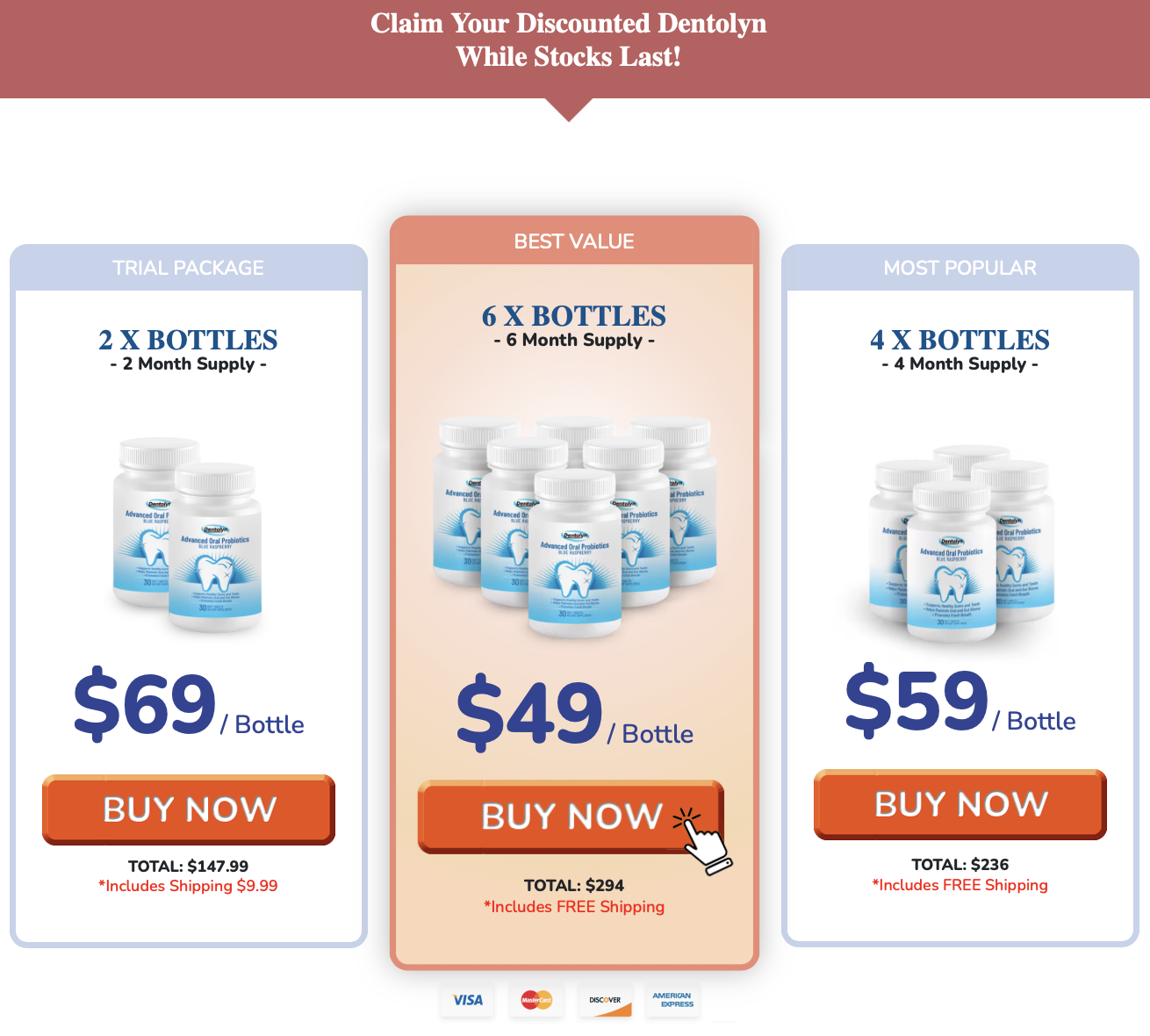
Compare the Current Dentolyn Packages
Review the current bottle count, total price, per-bottle price, shipping and guarantee after deciding whether the formula fits your goals.
Frequently Asked Questions
What is xylitol?
Xylitol is a sugar alcohol used in various oral-care products and studied for effects relevant to oral health.
Why is xylitol used in oral care?
Research has examined xylitol in relation to Streptococcus mutans, plaque adherence and oral acidity under specific use conditions.
Does Dentolyn contain xylitol?
The currently reviewed Dentolyn formula lists xylitol. The current merchant label should be checked again before purchase.
Does xylitol research prove Dentolyn works?
No. Evidence on xylitol is ingredient-level evidence and does not prove the efficacy of the finished Dentolyn formulation.
Does Dentolyn prevent cavities?
The currently reviewed evidence does not establish that finished-product claim.
Does xylitol replace fluoride toothpaste?
No. Xylitol should not be presented as a replacement for established tooth-care measures.
Does the amount of xylitol matter?
Yes. Study form, dose, frequency and duration matter when comparing ingredient research with a specific product.
When should tooth or gum symptoms be assessed?
Persistent pain, sensitivity, bleeding, swelling or other concerning symptoms should be assessed appropriately rather than managed only with supplements.
References
Rajasekaran JJ, Krishnamurthy HK, Bosco J, et al. Oral Microbiome: A Review of Its Impact on Oral and Systemic Health. Microorganisms. 2024;12:1797. DOI.